
Payments have become fast and digital, but some situations still call for more than just convenience. When large sums of money are involved, trust matters most. Picture a home purchase, a security deposit, or a car sale. In these moments, both sides want assurance that payment is secure and guaranteed. A certified check provides that assurance by having the bank verify and hold the funds until the check is cashed. Knowing how it works and where to get one can make important transactions much smoother.
What Does a Certified Check Really Mean?
A certified check is not simply a regular personal check with a signature. It comes with a confirmation from the bank that the funds are available and have been reserved specifically for that payment. This prevents the money from being spent elsewhere before the check is cashed. For the recipient, it offers peace of mind that the check will not bounce, unlike a standard personal check.
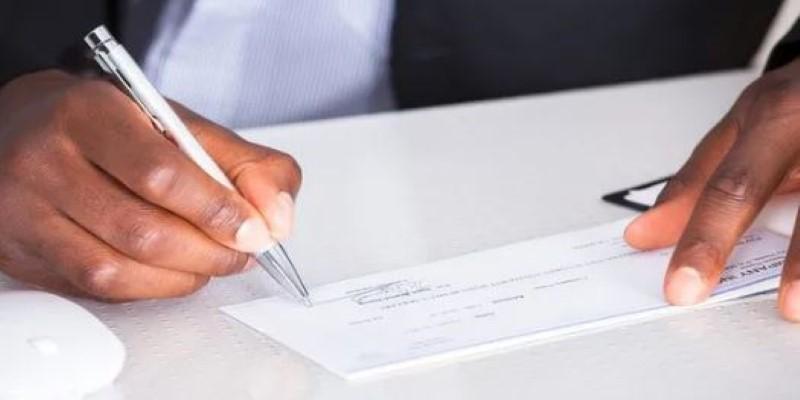
The certification process usually involves the bank stamping or printing a guarantee directly on the check. This mark shows the payee that the bank has verified the account and locked in the funds. The difference between a certified check and a cashier’s check often causes confusion. A cashier’s check uses the bank’s own funds, while a certified check relies on your personal balance. Both are secure, but the certified check still reflects that the money originates from your account.
For transactions where trust is essential, this form of payment functions almost like cash, with the added benefit of a paper trail and the bank’s verification. It remains a favored method in situations where parties do not know each other well or when large amounts are changing hands.
When and Why You Might Need One?
Certified checks are common in scenarios where neither party wants uncertainty. One typical example is buying a used car. A seller who accepts a personal check risks losing the vehicle without receiving valid payment. With a certified check, they can be confident the funds exist and are waiting.
Real estate is another area where certified checks often appear. A landlord or property manager may request one for a rental deposit or the first month’s rent. In property sales, buyers sometimes use certified checks for down payments, since both real estate agents and sellers value the guarantee.
Outside of property and vehicles, certified checks can be requested for legal settlements, tuition payments, or large private transactions. They help protect the payee while allowing the payer to avoid carrying large amounts of cash. They are also useful when a recipient may not accept personal checks because of past experiences with insufficient funds. In all these cases, the certified check stands as a middle ground—safer than a personal check but more practical than carrying envelopes of cash.
How to Get a Certified Check?
Getting a certified check requires visiting your bank or credit union in person. Online banking platforms rarely provide this service, since the process involves face-to-face verification. You need to have an active account, valid identification, and enough money to cover the amount you plan to write.

The process begins when you fill out a personal check as usual, writing the recipient’s name and the payment amount. You then take the check to a teller and request certification. The bank confirms your identity, checks your account balance, and earmarks the money so it cannot be touched for anything else. Once confirmed, the teller stamps or prints a mark on the check, certifying it as guaranteed.
Banks usually charge a fee for this service. It can range from a few dollars to over twenty, depending on the institution. Some banks waive the charge for premium account holders, while others may include a limited number of free certified checks in specific account packages.
It’s worth noting that not all banks offer certified checks. Some only provide cashier’s checks instead, which serve a similar purpose but operate differently. If your bank does not offer certification, you may need to request a cashier’s check instead. Calling ahead saves time and prevents unnecessary trips.
Where Certified Checks Are Accepted and Their Limits?
Certified checks are widely trusted and accepted in many industries, especially for large payments. Car sellers, landlords, and universities regularly treat them as secure. Because the bank has verified and reserved the funds, certified checks carry more weight than personal checks in the eyes of most businesses and individuals.
However, they are not free from limitations. Since the money comes from your account, you must have the funds available before the check is issued. There is also a risk of fraud. Counterfeit certified checks exist, and victims of scams may not realize it until the fake check fails to clear. For this reason, anyone receiving a certified check is advised to contact the issuing bank directly to confirm its legitimacy before releasing goods or services.
Another limitation is convenience. Unlike electronic transfers or mobile app payments, certified checks require a physical visit to a bank branch. This can feel inconvenient, but it also reinforces the seriousness of the transaction. While technology continues to push payments into digital spaces, certified checks remain a respected tool for situations where absolute security and formality are required.
Comparisons with cashier’s checks help highlight the boundaries. A cashier’s check involves the bank withdrawing money from your account and placing it into its own, making the bank itself liable for the payment. Some parties prefer cashier’s checks for this reason. Yet certified checks maintain their relevance by offering the same trust and security while showing a clear connection to the payer’s own account.
Conclusion
A certified check carries more weight than a regular check because it guarantees the funds are available and reserved for payment. It offers peace of mind in large transactions, protecting both the payer and the recipient. You won’t need it for daily spending, but for a car purchase, rental deposit, or tuition payment, it becomes a reliable choice. By requesting one at your bank and paying a modest fee, you gain a secure, trustworthy method of payment when certainty matters most.